Blackbird Productions

A Singapore Creative Production Company

March 23, 2023

5 Tips to Execute Remote Video Filming for an Overseas Client

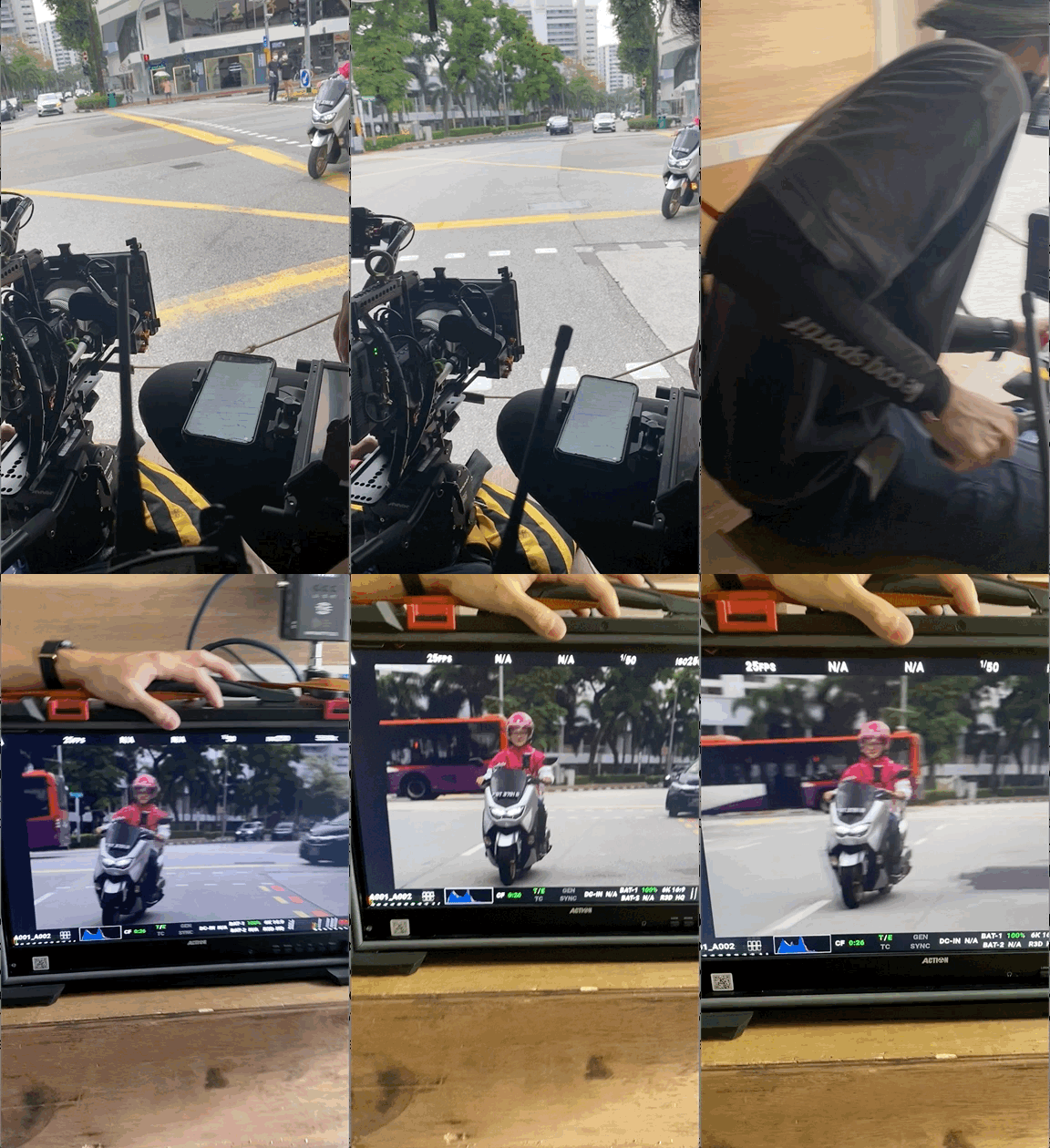
the camera outputs were being live broadcasted to our clients

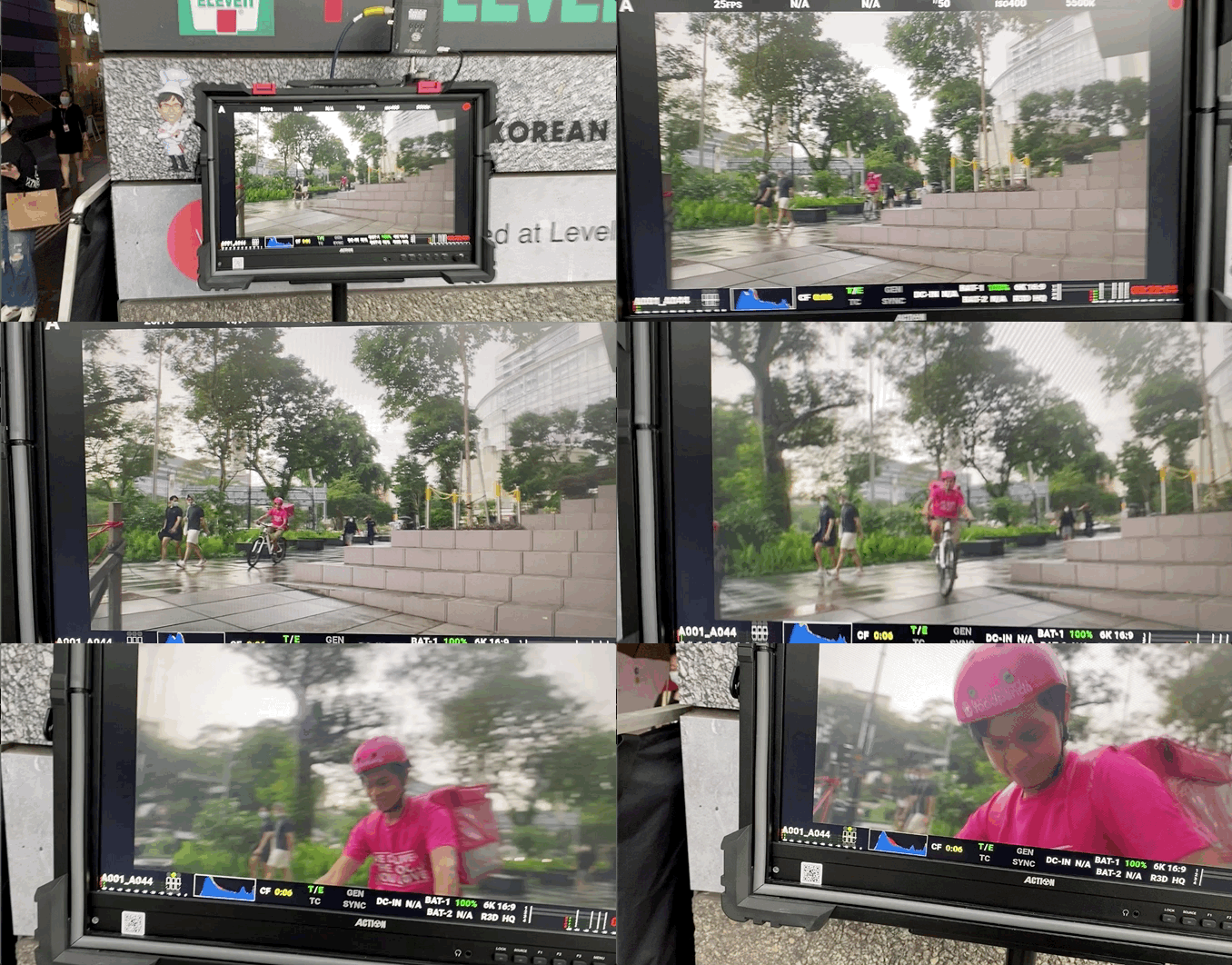
Our brief from Foodpanda was to create a brand video and a set of images (or key visuals). The catch? The shoot was to be conducted locally (in Singapore) and the client team would be based in Bangkok. But we needed to show them all camera outputs - both from our Red Komodo as well as the CaptureOne photography session. Remote video filming challenge accepted.

One of the many KV's that were shown all across Singapore's OOH spots.

Here are the 5 things we did that made it a smooth shoot:

  1. Hardware - the list was pretty simple:-
    • A capture card device. We used the Blackmagic Design - Ultrastudio Recorder. This carried the signal from the camera’s SDI output to the laptop.
    • A laptop running a Google Meet session. Google is free for what seems like an unlimited duration!
    • A power supply for the laptop. We used a portable battery system - it was bulky, but it lasted us the whole day.
    • An internet dongle. The Google “meeting” lasted all day so we probably used a fair bit of data.
  2. Software - Running OBS is very useful. It might look complicated but it's pretty easy to figure out with so many uses in production alone. It's also a great way to overcome the frame drop that comes from sharing a screen during a zoom/google meet. This way, your client sees the video in a smooth and non-laggy way.
  3. Process - We set up a google web meeting and had one dedicated person (a 2nd CA) managing the call - which included the connections from the camera, internet dongle, etc. The client had their project managers, art directors, marketing officers etc on the call. This was key to having a successful remote video filming session. We had our key team members join the call (with their mics muted) via their phones. We used regular earphones (without noise canceling) to listen in for client comments on the fly via the Google Meeting. This allowed us to carry out the shoot as if the client was present on set. We could call playbacks on monitors as we normally would and feedback was received pretty easily. One of our scenes involved the camera crew and director in a chase van filming a car. Our system worked exceptionally well considering the van was moving through the city and we were “broadcasting” our camera output to Thailand.
  4. Maximizing the system - During the photography portion, we put the system to the test. We decided that the client should both see the live view from the camera as well as the finished photos as a gallery- and we wanted to use one laptop for it all. By tethered-shooting (using CaptureOne) we pushed one “live” view of the scene via an iPad connected using Airplay/screen mirroring. We were able to see the talent in real-time together with the client. On the google call, we shared our laptop screen (showing the output folder). The MacBook Pro M1 took all of this pretty well. A PC could do something similar just with a wired second monitor. This setup was clearly not just for remote video filming!
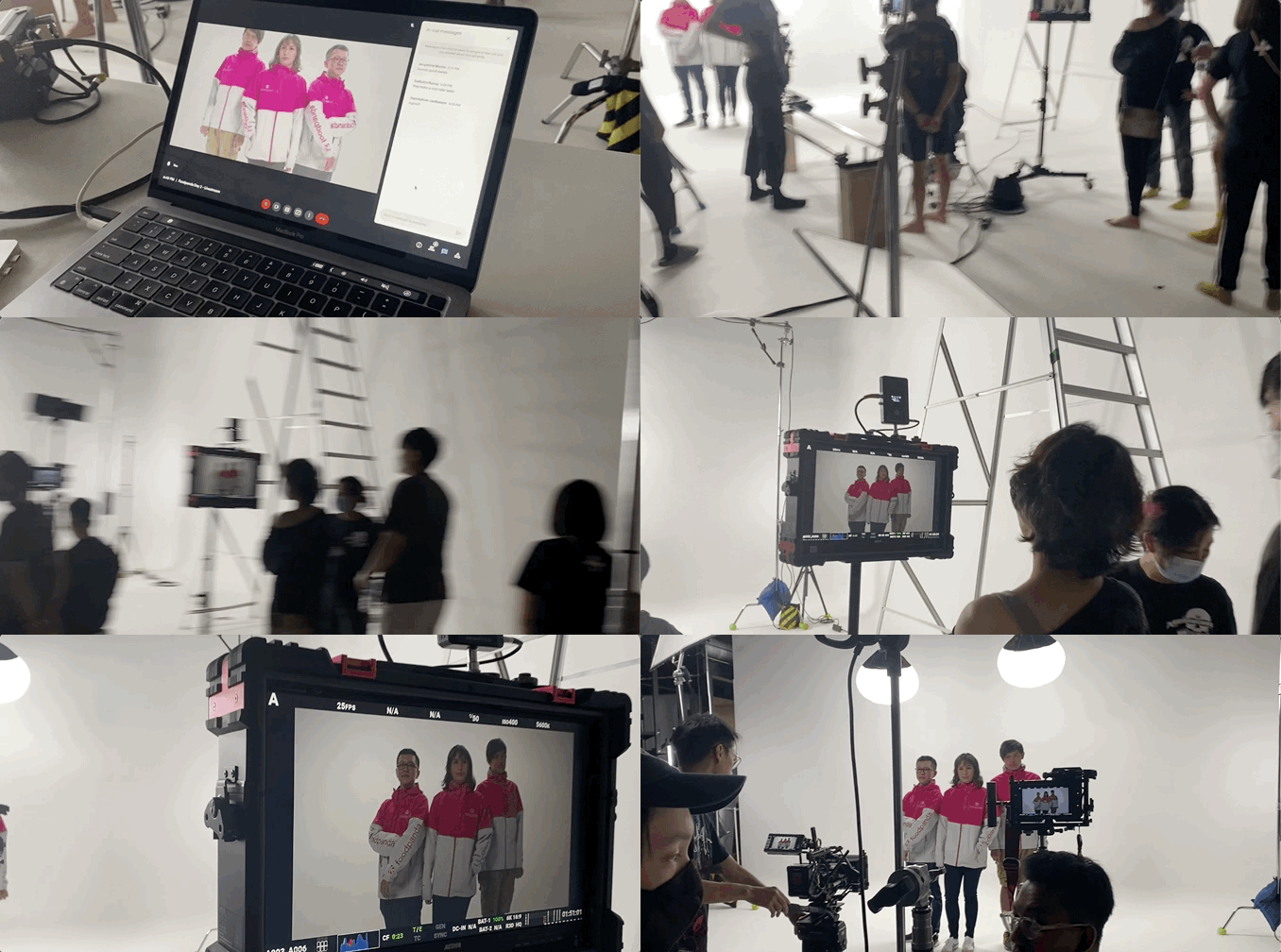
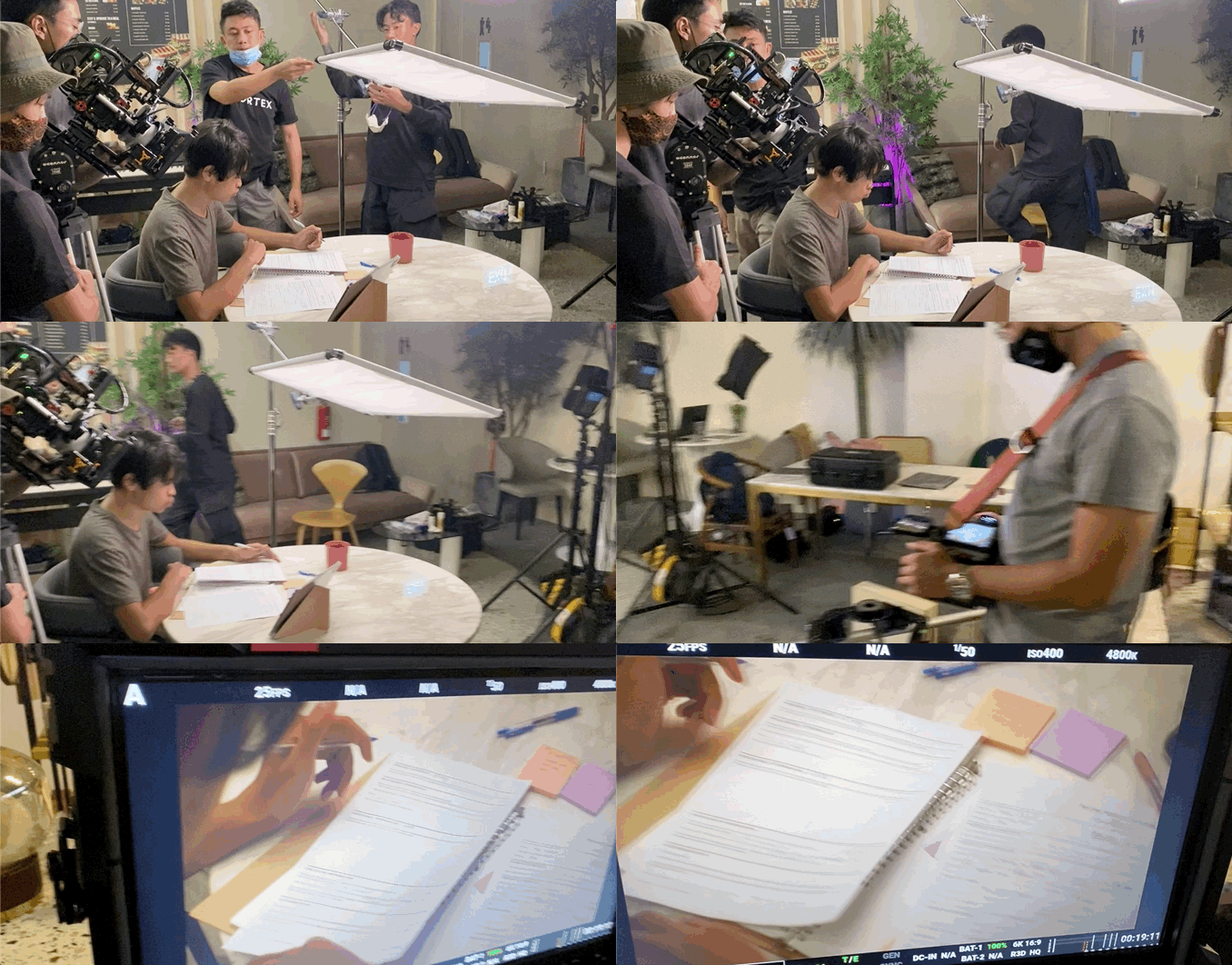
The looking-at-monitors-life chose us.
in the remote video filming van, a portable hotspot router transmitted the camera signal to Thailand
You'd do the same if you wanted to know where your food was.

March 22, 2023

Our Video Production Dos and Don’ts

The realm of film and video production is an intricate and fascinating world. Creating a video, however, is a delicate art form that requires meticulous attention to detail. To avoid missteps, here are some essential dos and don'ts that every aspiring filmmaker should keep in mind.

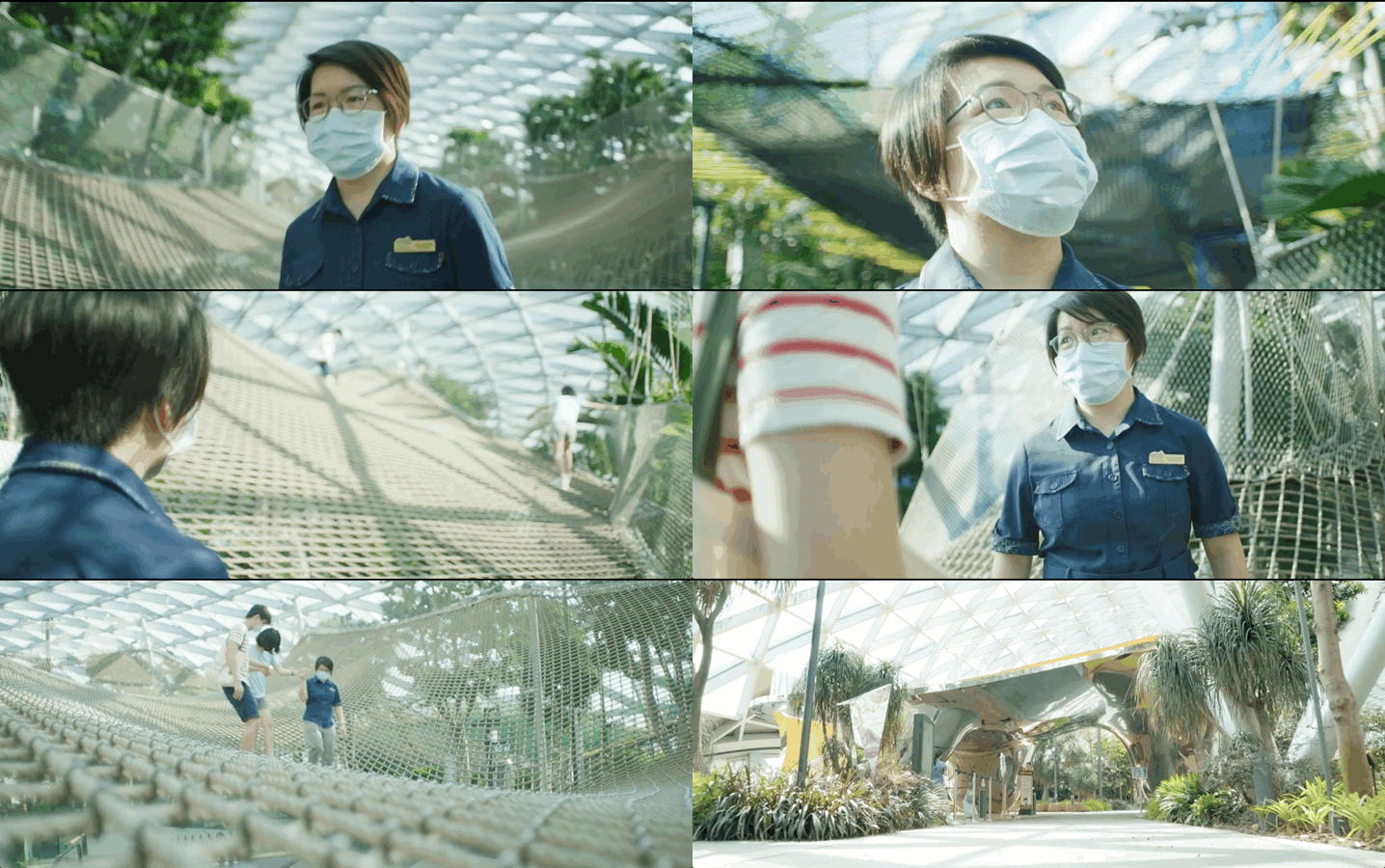
Taken from our video production for Changi Airport Jewel
Taken from our video made for Jewel, Changi Airport

Dos:

Plan and Set Clear Goals

Before commencing the video production process, it is of utmost importance to have a well-thought-out plan that establishes clear goals. A filmmaker must determine what they want to achieve and create a roadmap to help them get there. A well-structured plan acts as a guiding light that will steer them towards their desired outcome. Which could be a client's marketing goal or inspiring an audience to sway their preference.

  • Create a Storyboard

The creation of a storyboard is a vital component that helps filmmakers approach video with a clear strategy in mind. A storyboard is a visual representation of the video, outlining the shots and the sequence of events that will occur in the video. Creating a storyboard ensures that every shot is necessary and works towards the video's overall message.

  • Choose the Right Equipment

The selection of the right equipment is a crucial aspect that should not be underestimated. Filmmakers should ideally choose their equipment based on their budget and the video's requirements. We usually start with the lenses we want to use and work backward from there. But at times you can get held back by the equipment that's been rented. These sunk costs can end up costing you more by complicating your video production unnecessarily. Don't get lost in the equipment and ignore what's in the video's frame!

  • Consider Location and Lighting

Location and lighting are also crucial factors to consider that will have a significant impact on the final product. The choice of location can set the tone of the video, and filmmakers should aim to choose a location that suits the video's message. Lighting is another crucial factor that can make or break the video's quality. Filmmakers should aim to use natural light whenever possible and make their artificial lighting look natural accordingly. Certain stylized videos might need colored/gelled lights used creatively.

  • Start with a Hook

Starting with a hook is an effective way to capture the viewer's attention and maintain it throughout the video. With dwindling attention spans, this tool is getting more and more important. A hook can be anything that grabs the viewer's attention, such as an intriguing statement, an unexpected shot, or a unique camera angle. Starting with a hook ensures that the viewer is engaged from the very beginning.

  • Tell a Story

A well-told story is key to keeping the audience engaged. Every video should tell a story that evokes emotions and captures the viewer's imagination. The story should be the backbone of the video production, and every shot should contribute to the story's narrative.

  • Use Music and Sound Effects

The use of music and sound effects can amplify the overall impact of the video. Music sets the tone and mood of the video, while sound effects can add depth and dimension to the visuals. Filmmakers should aim to use music and sound effects that complement the video's story and message.

  • Use Subtitles

Subtitles can make the content more accessible, ensuring that everyone can enjoy the video. Subtitles can help viewers who are deaf or hard of hearing, as well as those who do not speak the video's language.

Don'ts:

  • Make the Video Too Long

The length of the video is crucial, as viewer fatigue and boredom can quickly set in if the video runs too long. Filmmakers should aim to keep the video concise and engaging, avoiding unnecessary shots or scenes that do not contribute to the video's narrative.

  • Use Static Camera Work

Shaky camera work can lead to an unpleasant viewing experience but in the right dose, it can add a sense of realism. We try and introduce a bit of it by use of shoulder-mounted cameras, easy rigs, etc in our video productions. It gives the video an immersive and realistic feel.

  • Ignore Audio Quality

Audio quality is essential, as it should not overshadow the visuals. Filmmakers should aim to capture clear and crisp audio, avoiding background noise or interference.

  • Neglect Color Grading

Finally, neglecting color grading can have a significant impact on the final product's quality. So much of your camera's ability can be left untouched if you don't tease out the right colors and brightness values that you've captured. But more importantly, it's a creative tool to convey a mood. Almost as important as lighting on set, it can convey so much information if used optimally.

Conclusion

It may seem like a daunting task, but fear not, dear reader. The creation of professional videos need not be an insurmountable challenge.

Do not be tempted to rely solely on acquiring the fanciest equipment before embarking on your cinematic journey. Such temptations are familiar to every creator, but do not be deterred. With each new creation, you will improve and hone your craft, even with meager resources.

Reach out and let us help you on your video production journey!

BBPR_Round

© Blackbird Productions · Since 2014